

Cross-processing is when film is developed not by its "native" process, resulting in new cosmic colors in the photo. Neither the photographer nor the lab specialists can say exactly what will come out in the shot. And every time it’s a big and very pleasant surprise. But if you know the characteristics of the film you’re shooting on, you can predict the result.
For example, if you want to get the greenest photos possible, use the film color guide (below) — and get to work! Detailed behavior of each film during cross-process development is in the blog SINGLEELDERLY:

Film Color Guide
From time to time, we use different color tones to express mood. For example, we choose bright blue for joy, dark red for nostalgia, indigo for darker moods. Some films have similar color shades, and you can choose them according to your preferences. But each film has slight differences, and now we’ll talk about them.
However, note right away: every film is unique, even if it’s from the same brand. The camera, lens, surrounding light, ISO settings, the lab used, and other factors will affect the final results. This review includes all possible shooting combinations, such as different sky colors, indoor/outdoor shooting, and the cameras themselves.
First of all, decide if you like your film changing color during development. After all, you can’t revert the original photo.
BLUE
Agfa Precisa CT100
The legendary Agfa film turns beautifully blue after cross-processing. More precisely, it makes all colors bright but natural. It’s an excellent choice for both bright and low light. Since production moved from Europe to Japan, the colors have become greener, especially when shooting at night and indoors.


1-3: Minox 35GT, 4: Lomo LC-A (Europe), 5: Lomo LC-A (Japan)
Lomography X-Pro Chrome 100
Cross-processing makes all the colors of this film brighter. At the same time, there are no overly large color shifts. This film is great for a first experience with cross-processing.


1-2: Sprocket Rocket , 3: LC-A
Kodak EliteChrome 100
Similar to Agfa CT100, it is perfect for shooting blue skies. Portraits on sunny days will look natural. In dim lighting, colors become more natural. The film has green color shifts in night shots, so be careful when shooting portraits!


1: LC-A , 2: Sprocket Rocket , 3-5: Nikon FM2
GREEN
Fuji Sensia 200
The green of expired Sensia 200 feels comfortable, unlike the bright, toxic green of fresh film. There is a solemn mood when used on cloudy days. At night, the film can produce different colors.


LC-A
Kodak EliteChrome 200
Color shifts lie between green and blue. And the entire frame will be filled with this color tone. This gives the photo a vintage feel. When shooting indoors, one color dominates, so the subject should be contrasting.

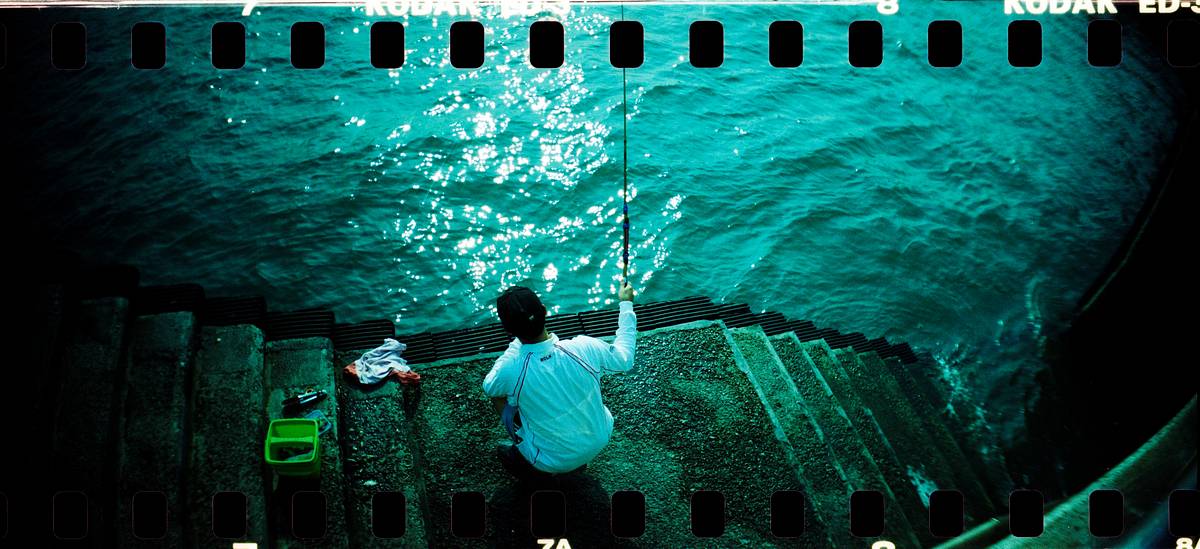

1: LC-A, 2-3: Sprocket Rocket
Fuji Provia 400F
Besides a slight green tint, it is quite fast for various lighting conditions. Although not as vivid as X-Pro Chrome 100, there is a certain deep depth in the greenish-blue sky. Despite the slight green tint, it is still suitable for portrait tones.


1: LC-Wide, 2: Diana F+, 3: Natura Classica, 4: LC-A
Fuji Provia100F
In sunny conditions, the film has a greenish-blue color. On cloudy days, indoors, and at night, it is bright green, making it more suitable for large streets.


1: LC-A, 2: Holga 120 WPC
YELLOW
Lomography X-Pro Slide 200
At night, yellow dominates! On sunny and cloudy days, the pale yellow color is tinted with a shade of green. So when using X-Pro 200, the blue skies will appear enchantingly green.


1: Sprocket Rocket, 2: Lubitel 166+, 3: Minox 35GT
RED
Fuji Velvia 100F
On sunny days, bright colorful objects will retain their colors, while others will be tinted red. Everything turns red indoors when shooting at night. Velvia 100F is perfect for summer vibes or vintage feelings of old neighborhoods.


1: LC-A, 2: LC-Wide, 3: Horizon Perfekt
Fuji Sensia 100
Red elements in the photo will become even redder. When shooting indoors, the film will give orange-red shades. My personal opinion is that it is better suited for landscape shots, as it gets too "red" from portraits.


1-2: LC-A, 3-4: Minox 35GT
Fuji T64
The red and pink-red tones of this film are like looking at the world through a pair of pink sunglasses. Overcast and cloudy daytime shots will have a purple tint, very warm feelings.


1: Holga 135BC, 2: LC-A, 3: Holga 120 WPC, 4: Lubitel 166+
PURPLE
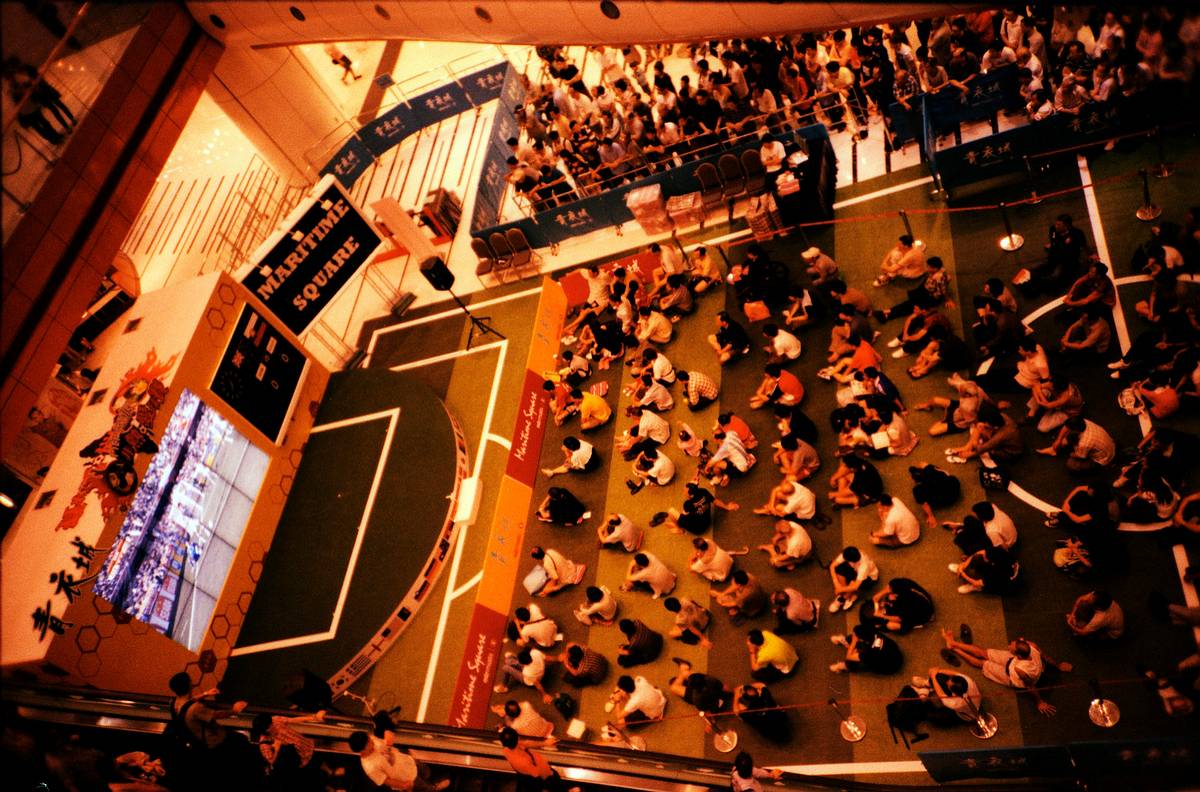
Fuji Astia 100
This is one of the rare films with a purple-red shift. In sunny conditions, it has a unique charm. "Overcast" and cloudy daytime shots will favor purple-red tones, while good lighting will bring out orange colors.


Conclusion
As I mentioned at the beginning, cross-processing has many variations. There's no point in arguing about RGB values since every photo is unique to you! Enjoy the surprise process every time! I hope that after reading the article, you will choose the right film and embark on your photographic journey!